

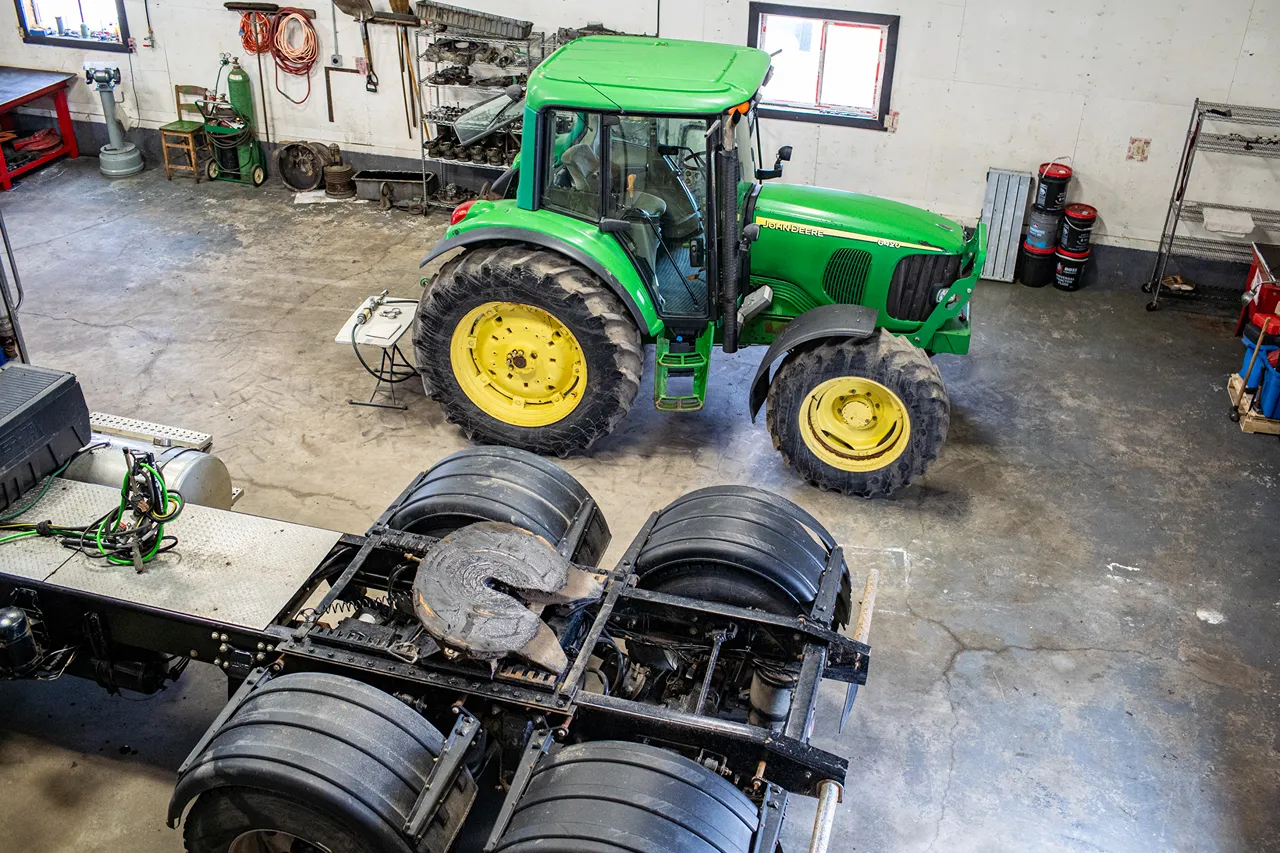
Most agricultural equipment breakdowns start with minor maintenance issues like worn components, dirty filters, fluid leaks, or neglected inspections. While these problems seem small at first, they can quickly develop into costly repairs and unexpected downtime. Knowing where breakdowns typically begin helps you prevent failures before they interrupt your operation.
Preventive Maintenance Is Your Best Defence
Most major equipment failures don't happen without warning. They usually start with a component that gradually wears beyond its limits until another part is affected. Preventive maintenance focuses on identifying those warning signs before they develop into catastrophic damage. Regular inspections, fluid changes, filter replacements, and lubrication all help extend equipment life while reducing the risk of unexpected breakdowns.
Equipment preventive maintenance is one of the most effective ways to reduce downtime and improve long-term reliability for heavy equipment.
Engine Problems Often Begin With Poor Fluid Maintenance
The diesel engine is the heart of almost every piece of agricultural equipment. While engines are built for demanding workloads, they depend heavily on clean fluids and proper lubrication.
Dirty or deteriorated engine oil loses its ability to reduce friction and remove heat. Over time, excessive friction accelerates wear on bearings, pistons, camshafts, and other internal components. Likewise, neglected coolant becomes less effective at transferring heat away from the engine, increasing the risk of overheating. Heavy-duty diesel engines rely on properly maintained oil and coolant systems to lubricate components and regulate operating temperatures.
Common early warning signs include:
- Low oil pressure
- Higher-than-normal engine temperatures
- Unusual engine noises
- Increased exhaust smoke
- Reduced fuel efficiency
Ignoring these symptoms can quickly turn a routine service into a complete engine rebuild.
Hydraulic Leaks Rarely Stay Small
Nearly every modern agricultural machine depends on a hydraulic system. Lift cylinders, steering systems, implements, loaders, and attachments all rely on hydraulic pressure to function correctly.
A small hydraulic leak may seem harmless at first, but it creates several problems simultaneously. Fluid levels gradually drop, contaminants enter the system, hydraulic pressure decreases, and pumps work harder to compensate. Eventually, pumps, valves, hoses, seals, or cylinders can fail entirely.
Watch for:
- Hydraulic fluid underneath the equipment
- Slow or jerky implement movement
- Whining hydraulic pumps
- Overheating hydraulic systems
- Reduced lifting capacity
Repairing a leaking hose is far less expensive than replacing an entire hydraulic pump.
Filters Are Small Components That Prevent Big Problems
Many breakdowns begin because filters are simply left in service too long.
Agricultural equipment uses multiple filters, including:
- Air filters
- Fuel filters
- Oil filters
- Hydraulic filters
- Cabin filters
A clogged air filter restricts airflow into the engine, reducing power and increasing fuel consumption. Dirty fuel filters restrict fuel delivery and may introduce contaminants into sensitive injection components. Hydraulic filters protect pumps and valves from abrasive particles that accelerate wear.
Replacing filters according to maintenance intervals helps protect expensive systems throughout the machine.
Electrical Problems Often Start With Corrosion
Modern farming equipment contains numerous electronic sensors, control modules, wiring harnesses, and monitoring systems.
Electrical failures commonly begin with something relatively minor:
- Loose battery terminals
- Corroded connectors
- Damaged wiring insulation
- Weak batteries
- Faulty sensors
Moisture, mud, vibration, and dust gradually damage electrical connections. A poor connection may only cause intermittent warning lights initially, but eventually it can prevent equipment from starting or cause electronic systems to malfunction.
Routine inspections of the electrical system can identify corrosion before it becomes a major issue.
Bearings Are Easy To Overlook
Bearings are found throughout agricultural equipment, including:
- Wheel hubs
- Augers
- Conveyor systems
- PTO shafts
- Rollers
- Fan assemblies
Proper lubrication allows bearings to rotate smoothly while minimizing friction. Without adequate grease, friction generates excessive heat that rapidly destroys the bearing surfaces. Heavy-duty equipment bearings require proper lubrication because excessive friction creates heat, leading to accelerated wear and possible component failure.
Early warning signs include:
- Grinding noises
- Excessive vibration
- Heat around bearing housings
- Grease leakage
- Shaft movement
Replacing a worn bearing early is much less costly than replacing the surrounding components after a complete failure.
Belts And Hoses Naturally Wear Out
Rubber components deteriorate with age, heat, vibration, and weather exposure.
Over time, drive belts begin to:
- Crack
- Fray
- Stretch
- Lose tension
Likewise, coolant hoses and hydraulic hoses gradually weaken internally before visible damage appears.
During busy seasons, a broken belt or burst hose can bring an entire operation to a halt. Fortunately, routine inspections often reveal early signs of deterioration long before failure occurs.
Cooling System Issues Build Gradually
Agricultural equipment often operates in dusty environments while pulling heavy loads for extended periods.
Crop debris, chaff, dirt, and insects gradually reduce airflow through the radiator. Combined with worn coolant, damaged fan belts, or failing water pumps, engine temperatures begin to rise.
Heavy-duty cooling systems remove engine heat through circulating coolant, radiators, water pumps, and cooling fans, making regular maintenance essential for preventing overheating.
Keep an eye out for:
- Rising temperature gauges
- Coolant leaks
- Overflowing coolant reservoirs
- Dirty radiator fins
- Frequent overheating
Cleaning cooling packages regularly is one of the easiest ways to prevent expensive engine damage.
Driveline Components Wear Slowly Over Time
The driveline transfers engine power to the wheels and working components of your equipment. It includes transmissions, differentials, driveshafts, bearings, and axles.
These components often fail because lubrication intervals are missed or small vibrations go unnoticed.
Common warning signs include:
- Vibration while operating
- Clunking noises
- Fluid leaks
- Difficult shifting
- Grinding sounds
Addressing driveline issues early often prevents extensive internal damage that requires complete component replacement.
Seasonal Inspections Prevent Peak-Season Downtime
Many agricultural equipment failures occur because machines sit idle for months before being pushed into long days of fieldwork. Whether you're preparing for seeding around Ponoka and Coronation or getting ready for harvest near Stettler, Big Valley, or Erskine, completing a thorough preseason inspection helps reduce the risk of costly downtime when every hour matters.
A preseason inspection should include checking:
- Engine oil
- Coolant
- Hydraulic fluid
- Battery condition
- Belts and hoses
- Filters
- Tire pressure
- Bearings
- Grease points
- Electrical connections
Completing these inspections before planting or harvest greatly reduces the chances of unexpected breakdowns when every hour counts.
Central Alberta's Farming Conditions Put Equipment to the Test
Agricultural equipment across Central Alberta works in demanding conditions year-round. Whether you're planting near Ponoka, harvesting outside Stettler, baling hay around Coronation, or operating equipment in Drumheller, long hours, heavy workloads, dust, mud, and rapidly changing weather all accelerate wear.
The same challenges affect producers in Trochu, Delburne, Carbon, Linden, Big Valley, Erskine, Edberg, Barrhead, Hinton, and Gibbons, where rough terrain, fluctuating temperatures, and intensive seasonal use place constant stress on engines, hydraulic systems, driveline components, and cooling systems. Regular inspections become even more important under these conditions, helping catch small problems before they become expensive breakdowns.
Keep Your Equipment Working When It Matters Most
The majority of agricultural equipment breakdowns don't begin with catastrophic failures, they begin with small maintenance issues that are easy to overlook. Addressing fluid leaks, worn bearings, damaged hoses, clogged filters, and other minor concerns early helps reduce downtime, lower repair costs, and extend the life of your equipment.
If your tractor, combine, sprayer, baler, or other farm equipment needs professional maintenance or repairs, Black Sheep Heavy Duty proudly serves producers throughout Ponoka, Coronation, Stettler, Drumheller, Trochu, Delburne, Carbon, Linden, Big Valley, Erskine, Edberg, Barrhead, Hinton, Gibbons, and surrounding communities across Central Alberta.
Whether you need preventive maintenance or emergency repairs, having experienced technicians on your side helps keep your operation moving when every acre counts.
Frequently Asked Questions
What is the most common cause of agricultural equipment breakdowns?
The most common cause is deferred maintenance. Low fluid levels, clogged filters, worn belts, leaking hydraulic hoses, and neglected lubrication gradually damage critical components until a major failure occurs.
How often should agricultural equipment be inspected?
Most manufacturers recommend performing daily walk-around inspections during heavy use and completing scheduled maintenance based on operating hours. Regular inspections help identify small problems before they become expensive repairs.
Why do hydraulic systems fail on farm equipment?
Hydraulic systems typically fail because of contaminated fluid, leaking hoses, worn seals, low fluid levels, or neglected maintenance. Addressing small leaks early helps protect pumps, valves, and hydraulic cylinders from unnecessary wear.
Can preventive maintenance reduce equipment downtime?
Yes. Preventive maintenance significantly reduces unexpected breakdowns by identifying worn or failing components before they cause larger mechanical failures, improving reliability while extending equipment life.