

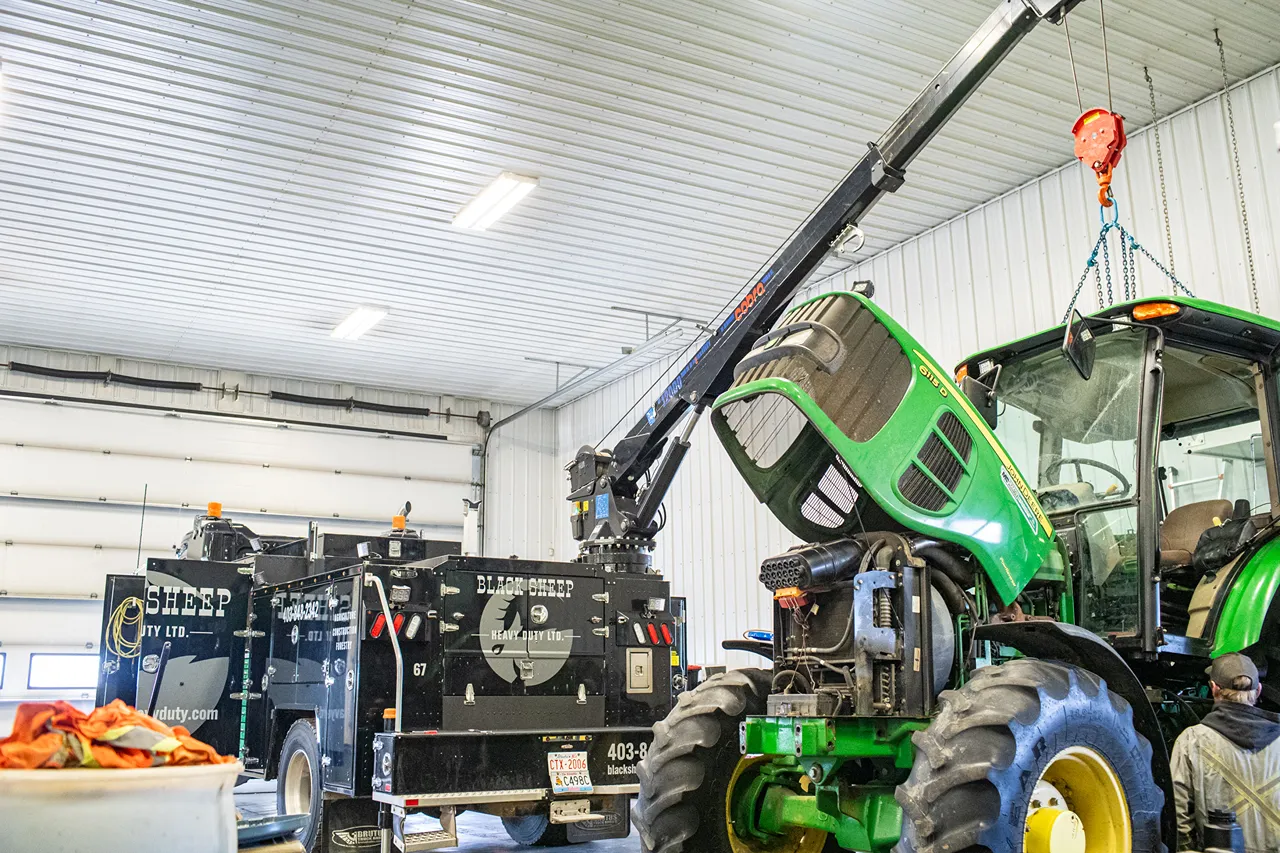
September can fool you. Cooler mornings are moving in across Central Alberta, but logging sites can still be dusty, dry, and packed with fine debris that works its way into cooling systems and engine bays. Around Rocky Mountain House and Sundre, September engine maintenance gives you a valuable chance to catch small problems before trucks and forestry equipment head into longer, more remote fall operations.
September Forestry Equipment Maintenance Priorities
Forestry equipment rarely gets an easy working life. Logging trucks may spend part of the day on Highway 22 or Highway 11 before turning onto rough access roads, while skidders, processors, feller bunchers, and loaders can spend hours working at low speeds under substantial engine load.
That combination makes September a useful transition point for preventive maintenance for your forestry and logging equipment. You are not preparing for deep winter yet, but you are dealing with cooler starts while dust, dry vegetation, vibration, and debris can still affect engine performance.
The most useful checks are the ones that reduce your chances of a hard start, overheating problem, power loss, derate, or fluid leak after equipment has already been moved farther from the shop.
1. Test Batteries, Starters, and Charging Systems
Start with the electrical system before cooler mornings expose a weak component. Test batteries under load and inspect your starter, alternator, grounds, cables, terminals, and electrical connections.
Pay extra attention to forestry machines that have spent time parked between jobs. Slow cranking, intermittent starting, corroded terminals, loose connections, or unexplained voltage drops should be addressed before that machine is kilometres down a forestry road.
For equipment that uses glow plugs, intake heaters, or other cold-start aids, make sure those systems are functioning correctly as temperatures begin to fall.
2. Inspect and Clean Cooling Systems
Low travel speed does not mean low engine load. A skidder pulling timber or a processor running hydraulics for hours can generate substantial heat without receiving the same natural airflow as a truck travelling at highway speed.
Your cooling system inspection should include:
- Coolant level and condition
- Radiator and cooling-pack cleanliness
- Water pump condition
- Thermostat operation
- Cooling fan and fan-clutch operation
- Hoses and clamps
- Coolant leaks
- Airflow restrictions caused by dust or debris
When it comes to your forestry equipment, dust, wood debris, and dry vegetation can collect around radiators and other heat-exchange surfaces, so cleaning is every bit as important as checking fluid levels.
3. Check Engine Oil, Filters, and Fluid Leaks
Forestry machines should not be maintained based on kilometres alone. Skidders, processors, loaders, and harvesters can accumulate long engine hours without travelling very far at all.
Review service intervals and inspect engine oil, filters, seals, hoses, and visible fluid leaks. Engine oil lubricates internal components and also helps carry heat away from critical areas of the engine.
Look closely at anything that is already damp or seeping. A minor leak may remain manageable in the yard, but repeated vibration and long operating hours can turn it into a more serious loss once the equipment is back in the field.
If an oil or filter service is due soon, completing it before the next heavy operating period can make more sense than trying to squeeze a few extra hours out of the interval.
4. Diagnose Fuel-System and Diesel Performance Problems
A diesel engine that struggles to start, runs rough, loses power, smokes abnormally, or hesitates under load is already giving you useful information. Do not ignore those symptoms simply because the machine still runs.
Your diesel fuel system supplies fuel to the engine through components such as pumps, filters, and injectors. Restrictions, contamination, weak delivery, or injector problems can all contribute to poor engine performance.
Check fuel filters and investigate:
- Hard starting
- Rough idle
- Power loss
- Hesitation under load
- Unusual exhaust smoke
- Repeated stalling
- Suspected fuel contamination
For logging truck maintenance, power loss deserves attention before a truck begins regular loaded runs between forestry areas and processing corridors around Rocky Mountain House and Sundre. A small performance complaint at the shop can become a much bigger operational problem once the truck is loaded.
5. Inspect Air Intake and Filtration Systems
Dust is one of the most persistent operating conditions around forestry work. Fine particulate matter, wood debris, and dry vegetation can all accumulate around an engine and its cooling package.
That makes air filter maintenance a priority. Inspect the air-filter system, intake piping, clamps, and restriction indicators where equipped, and follow the machine manufacturer’s recommended service procedures.
A diesel engine depends on clean airflow for proper combustion. The air filter is specifically designed to keep debris and contaminants out of the engine.
You should also remove accumulated vegetation and debris from appropriate areas around the engine compartment and hot components. September in the Rocky Mountain House Forest Area can still bring dry conditions, so cooler nights do not automatically mean dust and fire-related debris concerns have disappeared.
6. Resolve Turbocharger, Exhaust, and Emissions Faults
A warning light that comes and goes still deserves a diagnosis. The same goes for weak boost, damaged charge-air piping, exhaust leaks, recurring derates, or diagnostic trouble codes that have not been properly investigated.
On highway logging trucks, DPF and emissions diagnostics can be particularly important before regular hauling increases. Diesel particulate filters collect particulate matter and rely on regeneration to manage accumulated soot, while SCR systems use diesel exhaust fluid as part of the process for reducing nitrogen oxide emissions.
Watch for signs such as:
- Loss of boost
- Reduced engine power
- Damaged charge-air hoses
- Exhaust leaks
- Repeated regeneration problems
- Warning lights
- Active or recurring fault codes
- Engine derates
Clearing a code without finding the cause does not fix the fault. Diagnose these issues while the truck or machine is still accessible instead of waiting until the equipment is working farther west toward Nordegg or deeper into remote forest operations.
7. Check Belts, Hoses, Wiring, and Engine-Bay Components
Rough roads and equipment vibration have a way of turning small defects into failures. Inspect the engine bay for rubbed hoses, chafed wiring, deteriorated belts, loose clamps, damaged loom, loose connectors, and fittings that have started to move.
Pay close attention to areas where hoses or harnesses contact brackets, frames, or other components. Shiny rub marks, exposed wiring, cracking rubber, or a connector that no longer locks securely are all worth addressing.
The Forestry Trunk Road and other remote forestry routes highlight why these simple checks matter. A loose electrical connection that takes minutes to correct at the shop can create hours of downtime once a machine fails far from easy service access.
September Preventive Maintenance Checklist for Central Alberta Forestry Equipment
Before your equipment goes back into heavier fall operation, run through a simple forestry equipment maintenance checklist:
- Test batteries, starters, alternators, grounds, and cables.
- Clean radiators and inspect the complete cooling system.
- Check engine oil, filters, hoses, seals, and leaks.
- Investigate hard starts, rough running, smoke, and power loss.
- Inspect air filters and intake piping.
- Clear debris from cooling packs and appropriate engine-bay areas.
- Diagnose turbo, exhaust, DPF, SCR, and fault-code problems.
- Check belts, wiring, clamps, connectors, and exposed hoses.
- Review maintenance intervals based on engine hours and operating load.
- Correct known problems before sending equipment to remote sites.
This is where heavy equipment repair and preventive maintenance overlap. Finding a worn hose, weak battery, restricted filter, or developing fuel problem early is usually far easier than dealing with the same issue after the machine has stopped production.
Keep Your Forestry Equipment Ready for Fall Operations
September maintenance is about timing. You still have dust and debris to manage, but cooler starts and changing operating conditions are beginning to put different stresses on engines and support systems.
For logging trucks running Highway 22 and Highway 11, and for skidders, processors, loaders, and other equipment working deeper into the Rocky Mountain House Forest Area, reliability becomes even more important as the distance from convenient repair access increases.
At Black Sheep Heavy Duty, we can help you inspect, diagnose, and repair heavy-duty trucks and forestry equipment before small problems become expensive downtime. Just give us a call at +1 403-848-2342 to schedule your service.
Frequently Asked Questions
What engine maintenance should forestry equipment receive in September?
September maintenance should focus on batteries and starting systems, cooling systems, engine oil and filters, fuel delivery, air filtration, turbo and emissions faults, and exposed belts, hoses, wiring, and connections. Always follow the equipment manufacturer’s service intervals and specifications.
Why do skidders and processors need extra cooling-system attention?
Skidders and processors often operate at low travel speeds while the engine and hydraulic systems remain under substantial load. That makes clean cooling packs, correct coolant levels, proper fan operation, and unrestricted airflow especially important.
Should logging equipment maintenance be based on kilometres or engine hours?
Engine hours and working conditions are often more useful than kilometres for off-road forestry equipment. A processor or loader may run for hours under load while adding very little travel distance.
Can a dirty air filter cause diesel performance problems?
Yes. A restricted air filter can reduce the amount of clean air reaching the engine, which can affect diesel performance. Forestry environments also expose filters and intake systems to more dust and debris than many highway-only applications.
Why should you address diesel warning lights before remote forestry work?
A warning light can indicate an engine, electrical, fuel, turbo, or aftertreatment fault. Diagnosing the problem before the machine moves to a remote site reduces the chance that a derate or breakdown will interrupt production far from repair facilities.