

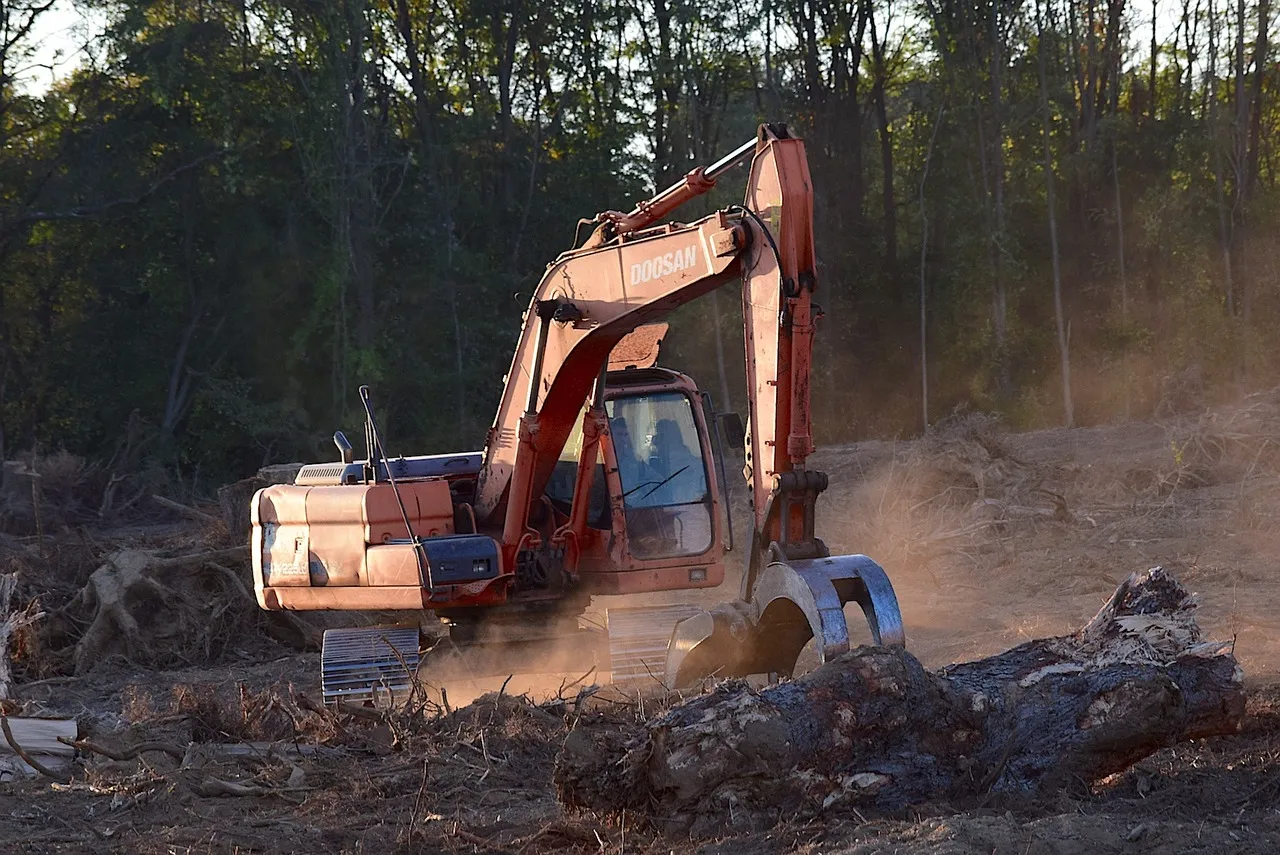
Forestry equipment in Central Alberta faces some of the toughest conditions in Canada: abrasive debris, steep terrain, long workdays, and winter temperatures that often fall well below freezing. These factors highlight the importance of regular maintenance for forestry equipment, whether old or new.
Many fleets around Red Deer County operate a mix of old machines with mechanical systems and newer units equipped with advanced electronics and emissions aftertreatment. Treating this diverse fleet as if every machine had the same needs leads to avoidable failures, higher costs, and more downtime. A formal, age-appropriate maintenance strategy helps organizations maintain high reliability while managing the total cost of ownership.
Defining “Old” and “New” in a Forestry Fleet
Older machines in Central Alberta logging operations generally use mechanically controlled diesel engines, simpler electrical systems, and lack exhaust aftertreatment. Their performance mainly relies on core systems: fuel, air, lubrication, cooling, and basic hydraulics.
Newer units, especially those that meet Tier 4 Final or similar standards, differ significantly. These Tier 4 forestry machines often include high-pressure common-rail fuel systems and integrated aftertreatment hardware, such as diesel oxidation catalysts (DOC), diesel particulate filters (DPF), and selective catalytic reduction (SCR). They also rely on multiple electronic control units and a vast network of sensors.
Forestry sites are harsh environments. Industry guidance states that harvesters, skidders, and forwarders operate under heavy loads, vibration, dust, and debris, making robust equipment repair and inspection routines essential for safety and productivity.
Maintenance Priorities for Older Forestry Equipment
Older machines are often considered “tough” and forgiving. Still, evidence from diesel maintenance literature clearly shows that poor basic care—especially regarding fluids, filtration, and cooling—remains a leading cause of early failure. A formal equipment maintenance logging program for legacy machines should focus on these areas.
1. Fluids, Filters, and Fuel Quality
Diesel engines depend on clean fuel and oil. Contaminated or low-quality fuel accelerates wear on mechanical injection pumps and injectors, while clogged air or fuel filters increase soot levels, reduce power, and increase fuel consumption.
Setting strict schedules for oil, fuel, and air filters—and using suitable fuel conditioning when needed—serves as the foundation of preventive maintenance for logging equipment in older fleets.
2. Cooling Systems and Overheating Control
Overheating is often a significant cause of engine damage and reduced lifespan in diesel engines. Forestry machines are especially vulnerable because radiators and coolers quickly clog with needles, dust, and bark. Regular coolant testing, radiator core cleaning, hose inspections, and cap pressure checks should be standard parts of any maintenance plan for legacy forestry equipment.
3. Hydraulics, Leaks, and Component Wear
Hydraulic systems control booms, grapples, and undercarriage functions. Industry materials highlight that high-pressure hydraulic systems require regular inspections because hose failures and leaks can pose safety hazards and cause costly downtime.
A systematic approach to repairing hydraulic systems on older machines includes:
- Conduct regular visual inspections of hoses, fittings, and cylinders.
- Replacing worn-out hoses before they fail catastrophically.
- Monitoring oil temperature and contamination levels.
4. Mechanical Linkages and Lubrication
Guides on extending the lifespan of forestry equipment repeatedly stress lubrication—especially at pins, bushings, and linkages—as a key factor for durability. A formal greasing schedule, recorded in maintenance logs, helps prevent accelerated wear on booms, grapples, and steering joints.
Incorporating these points into your logging equipment maintenance program helps ensure older machines stay reliable without masking hidden issues under “informal” service routines.
Maintenance Priorities for Newer Tier 4 Forestry Machines
Modern off-highway diesel equipment that meets Tier 4 Final or similar standards significantly reduces particulate matter and nitrogen oxides compared to earlier models. However, this improvement relies on more complex systems that require proper maintenance.
A structured plan for newer Tier 4 forestry machines should emphasize these areas.
1. Electronics, Sensors, and Wiring Harnesses
Modern engines rely on numerous sensors to control air–fuel ratios, boost pressure, exhaust temperature, and aftertreatment efficiency. Faulty connectors or damaged harnesses can cause derates or shutdowns, even when the mechanical components are in good condition.
Routine diesel engine diagnostics and inspections should include the following:
- Verifying the integrity of the connector and seal.
- Inspecting harness routing to prevent abrasion and pinch points.
- Reviewing and clearing fault codes according to OEM procedures.
2. Aftertreatment Maintenance (DPF, SCR, DEF)
Technical references on aftertreatment emphasize that DPF and SCR systems require proper operating conditions and regular maintenance to prevent clogging and unexpected downtime.
For forestry operations, key practices include:
- Fix exhaust leaks quickly, because they can disrupt temperature control.
- Monitoring regeneration events and investigating unusually frequent active regens.
- Use proper diesel exhaust fluid (DEF) and store it within the recommended temperature ranges.
These steps should be formalized in your forestry equipment repair procedures for modern machines, rather than managed as occasional “when lights come on” issues.
3. Fuel System Cleanliness and High-Pressure Components
High-pressure common-rail systems are more efficient but less tolerant of contaminated fuel than older mechanical systems. Industry sources link poor fuel quality to faster injector and pump wear, misfires, and more frequent repairs.
A modern forestry equipment maintenance plan must therefore specify:
- Using top-grade fuel from reputable suppliers.
- Timely replacement of primary and secondary fuel filters.
- Promptly check for signs of hard starting, rough running, or metal in fuel filters.
Designing a Mixed Fleet Maintenance Strategy for Central Alberta
A coherent mixed-fleet maintenance program recognizes that “one-size-fits-all” schedules are inappropriate when equipment spans multiple generations and technologies. Forestry-specific planning resources recommend creating detailed checklists, logs, and schedules tailored to actual operating conditions and machine roles.
1. Segmenting the Fleet
Classify your fleet as:
- Legacy mechanical units.
- Transitional machines with partial electronics and limited aftertreatment.
- Modern machines with complete emissions systems and telematics.
Each group has its own inspection templates, lubrication charts, and diagnostic requirements. This setup helps maintenance teams allocate the right time and tools for each type of equipment.
2. Accounting for Climate and Seasonal Demands
Alberta’s winter weather often causes average temperatures to fall well below 0 °C, with extremes that can reach –40 °C in some areas. These conditions greatly impact cold-weather diesel maintenance. For both old and new machines, your plan should include:
- Effective winter fuel strategies and anti-gel measures.
- Check block heaters, battery capacity, and cold-start aids.
- Check the coolant strength and inspect hoses and clamps.
Standardizing these steps reduces cold-related failures and ensures continuous Central Alberta logging operations during extended winter periods.
3. Field Service, Safety, and Documentation
Guidance for forestry industry technicians notes that in-field maintenance on rough terrain and in adverse weather carries a higher risk than shop work, making structured procedures and proper tools essential.
A robust system for maintaining forestry equipment should therefore:
- Identify which tasks can be safely done in the field and which require a workshop.
- Equip service trucks to perform scheduled hydraulic system repairs, filter replacements, and on-site diagnostics as needed.
- Maintain detailed records of inspections, faults, and repairs for every machine.
Good records also help with long-term decisions about replacement, redeployment, or ongoing investment in specific units.
Deciding When to Repair, Reassign, or Replace
Maintenance data from diesel fleets consistently show that rising repair costs relative to productive hours strongly indicate a unit is nearing the end of its economic life. When reviewing your fleet:
- Compare each machine's annual repair costs to its total operating hours.
- Evaluate whether high-maintenance legacy units can be reassigned to less demanding roles or backup duties.
- Consider whether emissions requirements for specific contracts mandate newer off-highway diesel equipment.
Integrating cost, utilization, and reliability data from your maintenance records for your logging equipment provides a solid basis for decision-making, rather than depending only on age or purchase price.
Conclusion and Practical Next Steps
Evidence from forestry and diesel maintenance sources is consistent: thorough, documented maintenance of forestry equipment significantly reduces downtime, extends component lifespan, and enhances safety. Older machines respond best to consistent attention to fluids, filtration, cooling, hydraulics, and lubrication. In contrast, newer machines require careful management of electronics, aftertreatment, and fuel quality, supported by systematic diesel engine diagnostics.
By segmenting your fleet, aligning tasks with Alberta’s climate realities, and investing in accurate record-keeping, you can build a resilient, mixed-fleet maintenance system for your operation in Central Alberta.
If you need a thorough review of your current program or a maintenance plan tailored to your mix of legacy and modern equipment, contact Black Sheep Heavy Duty in Central Alberta. We can help you align your policies, schedules, and inspection routines with best practices and the daily challenges your equipment faces.