

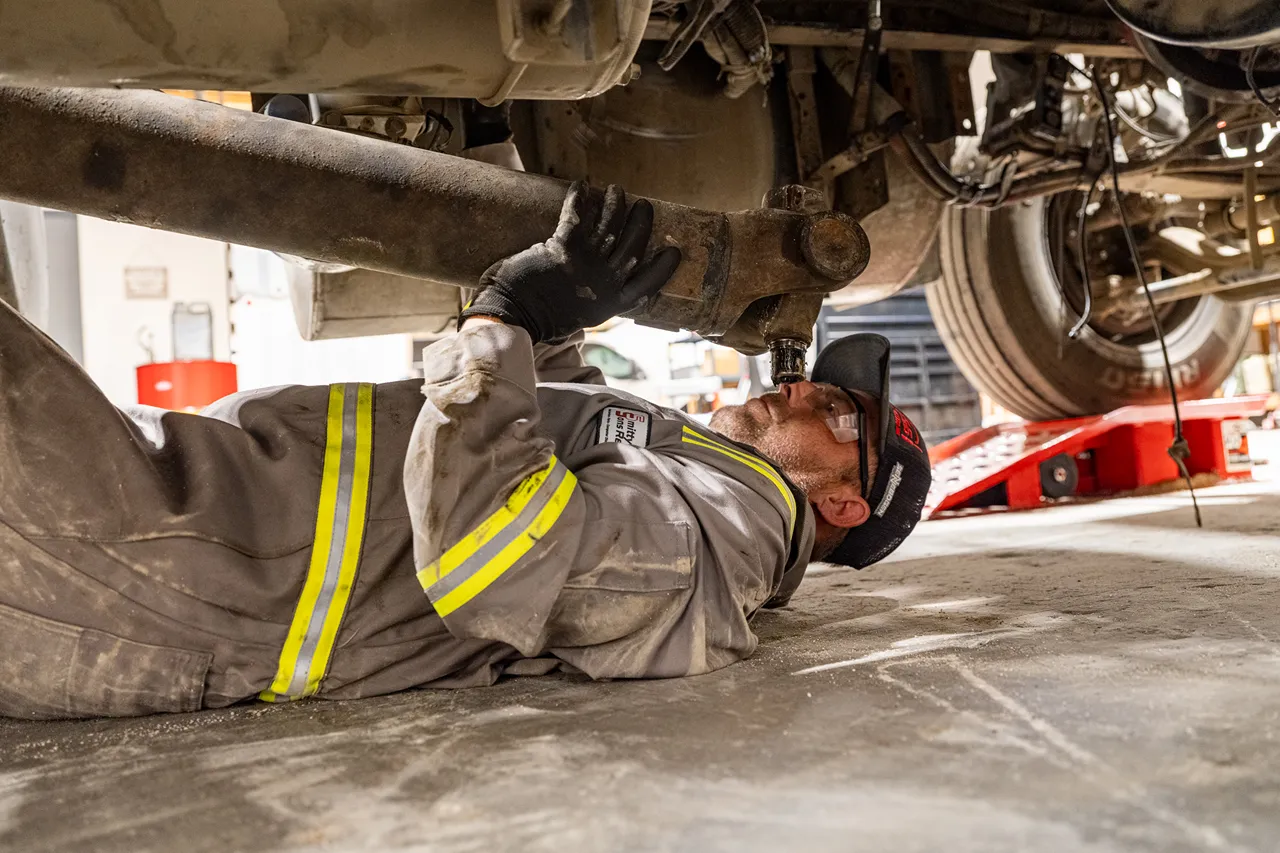
A little track slack in October might seem harmless. Come November, that same excavator could be sitting idle on a frozen Central Alberta jobsite. Worn components, trapped moisture, and changing ground conditions can quickly turn minor problems into expensive breakdowns. Knowing when to schedule excavator undercarriage repair helps you catch five common failures before winter complicates the job.
Why Do Central Alberta Winters Make Excavator Undercarriage Problems Worse?
November brings challenging conditions for excavation contractors throughout Red Deer County. According to Environment and Climate Change Canada's 1991–2020 climate normals, Red Deer's average November temperature is -4.7°C, with an average daily low of -10.5°C.
Those temperatures create trouble when wet soil, clay, and debris collect inside an excavator's undercarriage. As moisture freezes, packed material can restrict moving components and increase resistance throughout the track assembly.
Contractors working on rural construction, utility trenching, drainage improvements, and earthmoving projects face additional challenges. Equipment regularly moves across uneven ground, abrasive aggregate, and muddy access routes.
That's why preventive undercarriage maintenance matters before extended freezing conditions arrive. A straightforward inspection now can prevent a damaged track from leaving your excavator stranded when repairs become more complicated.
1. How Can Incorrect Excavator Track Tension Cause Winter Breakdowns?
Tracks don't need to fall off completely to cause serious damage. Incorrect excavator track tension can gradually wear down pins, bushings, rollers, and other expensive components.
Loose tracks increase the risk of derailment, particularly when turning or manoeuvring across uneven ground. Overly tight tracks create unnecessary friction and mechanical stress throughout the running gear.
Frozen mud can make matters worse by restricting normal track movement.
How Do You Know Your Excavator Tracks Need Adjustment?
Watch for excessive track sag, unusual popping sounds, uneven movement, or tracks that appear excessively tight.
Check track tension using the manufacturer's specified measurement procedure. Required sag and adjustment methods vary by excavator model, track design, and operating conditions.
If adjustments don't hold or the tracks repeatedly loosen, professional excavator track repair may be necessary to identify worn components rather than repeatedly tightening the assembly.
2. What Happens When Excavator Track Rollers and Idlers Wear Out?
Your excavator's rollers and idlers help support, guide, and maintain proper track movement. When these components wear out, the entire undercarriage can suffer.
Leaking seals, failing bearings, and seized rollers can produce uneven track wear and increase resistance. Frozen debris around already damaged components only adds to the problem.
What Are the Warning Signs of Roller or Idler Failure?
Look for oil leakage, abnormal grinding noises, flat spots, visible misalignment, and rollers that don't rotate properly.
A seized roller may cause the track chain to slide across its surface instead of rolling smoothly. That friction accelerates wear and can damage surrounding components.
Professional excavator roller replacement and idler servicing can restore proper movement before secondary damage develops.
For contractors operating around Delburne or Red Deer County, inspecting these components before winter can help avoid a difficult recovery from a rural excavation site.
3. How Does Excavator Sprocket Wear Affect Track Performance?
Your excavator's drive sprockets transfer power from the final drives into the track chains. Their teeth must engage correctly with the track bushings to move the machine smoothly.
Over time, abrasive material, repeated turning, and normal operation gradually wear down sprocket teeth.
Excessive excavator sprocket wear can cause poor engagement, abnormal noises, and accelerated track-chain damage.
What Does a Worn Excavator Sprocket Look Like?
Healthy sprocket teeth should retain the profile specified by the equipment manufacturer. Worn teeth may appear hooked, sharply pointed, unusually thin, or uneven.
You might also notice jerky travel, increased vibration, or popping sounds as the tracks engage.
Replacing sprockets without checking track-chain wear can create another problem. Severely worn bushings and stretched chain pitch may prevent new sprockets from engaging correctly.
A complete undercarriage wear inspection helps determine whether you need sprocket replacement, track-chain servicing, or both.
4. Why Is Frozen Mud and Debris Dangerous for Excavator Undercarriages?
Here's a winter problem that's easy to underestimate: ordinary mud.
During fall excavation work, wet clay, soil, and stones collect between track links, rollers, idlers, and sprockets. Once temperatures drop, that material can freeze into a stubborn mass.
This frozen undercarriage debris may restrict roller movement, interfere with sprocket engagement, and place unnecessary strain on track components.
Repeated freeze-thaw cycles can make the situation unpredictable, particularly when equipment sits overnight.
How Can Contractors Prevent Frozen Undercarriage Buildup?
Clean accumulated material from your excavator's undercarriage before parking whenever practical. Pay particular attention to spaces around rollers, sprockets, and track frames.
Inspect for trapped rocks or compacted clay after operating in muddy conditions.
If the tracks appear frozen or restricted, don't force the excavator to travel. Shut down, secure the machine, and use a safe, manufacturer-approved removal method before attempting movement.
Never reach into the undercarriage while the machine is operating.
5. When Should Damaged Track Links, Pins, Bushings, and Shoes Be Repaired?
A cracked track shoe or loose pin might not immediately stop your excavator. Unfortunately, continued operation can turn localized damage into a complete track failure.
Track links, pins, bushings, and shoes work together to provide traction and maintain track-chain integrity. Excessive wear or physical damage can eventually cause separation.
For contractors working on remote rural sites, a broken track can create substantial downtime because moving a disabled excavator may require specialized equipment.
Which Track Components Need Immediate Attention?
Watch for cracked shoes, missing bolts, loose pins, damaged bushings, and visibly distorted links.
Professional track pin and bushing replacement can address damaged chain components when the remaining assembly is serviceable.
For more extensive problems, technicians may recommend excavator track chain replacement or replacement of individual shoes and hardware.
Black Sheep Heavy Duty offers mobile track repair in Central Alberta, including specialized track press work for on-site pin and bushing repairs.
What Should Contractors Check Before Winter Excavation Work?
A practical excavator undercarriage inspection checklist can help identify developing problems before they interrupt your schedule.
Before colder weather settles in, check the following:
- Track tension: Measure track sag according to the manufacturer's specifications.
- Rollers and idlers: Look for leaks, uneven wear, restricted movement, and damaged seals.
- Drive sprockets: Check for hooked teeth and abnormal wear patterns.
- Track chains: Inspect links, pins, and bushings for visible damage or excessive wear.
- Track shoes: Check for cracks, missing bolts, and loose hardware.
- Debris accumulation: Remove compacted mud, clay, stones, and other material.
- Operating behaviour: Investigate unusual noises, jerky movement, or tracking problems.
Document any concerning findings and arrange repairs before returning damaged equipment to demanding service.
Regular inspections are especially valuable for machines operating on road-base preparation, drainage, and rural development projects throughout Central Alberta.
Should You Choose Mobile Excavator Track Repair or Shop Repairs?
The right repair location depends on the damage, equipment condition, accessibility, and required tooling.
Mobile track repair in Red Deer County makes sense when an excavator has a damaged or derailed track and transporting it would be difficult or expensive.
Field technicians with specialized track presses can complete many pin, bushing, tensioning, and component replacement jobs at the worksite.
For extensive heavy equipment undercarriage repair, shop facilities may offer better conditions for detailed inspections, complex repairs, and component replacement.
Black Sheep Heavy Duty provides both options through its undercarriage repair and supply services.
Schedule Excavator Undercarriage Repairs Before Winter
Loose tracks, worn rollers, damaged sprockets, frozen debris, and failing track components all threaten excavator reliability. Addressing these five problems early helps protect your equipment and minimize unexpected downtime.
Black Sheep Heavy Duty provides excavator undercarriage repair in Central Alberta, including mobile service, track press repairs, roller and idler replacement, and undercarriage parts supply.
Based at 37549 Range Road 232 near Highway 595 in Red Deer County, the team supports contractors working around Delburne and surrounding communities.
Call Black Sheep Heavy Duty our team at 403-848-2342 to schedule an undercarriage inspection or discuss mobile track repairs before winter conditions turn existing damage into a breakdown. The business offers 24/7 on-call availability.
FAQs
How Often Should You Inspect an Excavator Undercarriage in Winter?
Inspect your excavator's undercarriage daily during operation, particularly in freezing or muddy conditions. Check track tension, component wear, loose hardware, and debris accumulation, following the manufacturer's maintenance schedule.
Can Frozen Mud Cause Excavator Tracks to Come Off?
Yes. Frozen mud can obstruct normal track movement and contribute to derailment when combined with incorrect track tension, worn components, or improper sprocket engagement. Remove packed material safely before operating.
What Are the Signs of a Failing Excavator Track Roller?
Common signs include leaking seals, grinding noises, flat spots, uneven track wear, and restricted roller movement. A damaged roller should be inspected promptly to prevent further wear.
Can Excavator Tracks Be Repaired at a Jobsite?
Yes. Mobile technicians with appropriate equipment can perform many track repairs on-site, including track pin and bushing replacement, tension adjustments, and selected component replacements. Repair feasibility depends on site conditions and damage severity.
Is It Better to Replace Individual Undercarriage Parts or the Entire Track Assembly?
Individual components may be replaced when surrounding parts remain serviceable. Extensive wear involving track chains, sprockets, and rollers may make a coordinated replacement more appropriate. A professional inspection determines the best approach.